
College Football Trophy Guide: A Comprehensive Overview
Dive into the rich tradition of college football accolades! This guide explores the most prestigious trophies, from the Heisman to lesser-known awards, recognizing gridiron excellence․
College football trophies represent the pinnacle of achievement, embodying dedication, skill, and team success․ These awards aren’t merely symbolic; they’re tangible representations of legendary moments and unforgettable seasons․ From the nationally recognized Heisman Trophy, honoring individual brilliance, to conference-specific prizes fueling intense rivalries, each trophy carries a unique history and significance․
These accolades celebrate not only star players but also the collective effort of entire programs․ They serve as lasting legacies, etched in the annals of college football history, inspiring future generations of athletes and fans alike․
The Significance of Trophies in College Football
Trophies transcend the game itself, becoming cultural icons and symbols of athletic prowess․ They represent years of relentless training, unwavering commitment, and the pursuit of excellence․ Winning a major trophy elevates a player’s status to legendary, solidifying their place in college football lore․
For universities, these awards boost program prestige, attract top recruits, and foster a sense of community pride․ The anticipation surrounding trophy announcements creates electrifying moments, uniting fans and shaping the narrative of each season․

Major National Trophies
These awards represent the pinnacle of collegiate achievement․ The Heisman, National Championship, Maxwell, and Walter Camp Awards honor exceptional players nationwide․
The Heisman Trophy
The Heisman Trophy stands as the most iconic individual award in college football, presented annually since 1935․ Initially recognizing outstanding running backs, its criteria broadened to encompass all positions․ The bronze statue depicts a player in mid-stride, symbolizing dedication and athletic prowess․
Winning the Heisman instantly elevates a player to legendary status, often influencing their NFL draft prospects․ The announcement ceremony is a December tradition, captivating fans nationwide and solidifying the Heisman’s place in sports history․
History of the Heisman Trophy
The Heisman Trophy’s origins trace back to the Downtown Athletic Club of New York City in 1935, initially honoring the nation’s most outstanding player․ Named after John Heisman, a prominent coach, the first recipient was Larry Kelley of Yale․
Early years favored running backs, but the award evolved, recognizing quarterbacks and other positions․ The trophy’s design underwent changes, solidifying its current iconic form․ It has become a symbol of collegiate football excellence and individual achievement․
Heisman Trophy Selection Process
The Heisman selection begins with nominations from all Football Bowl Subdivision (FBS) schools and the NCAA․ A selection committee, comprised of former players, coaches, and sports journalists, then compiles a watchlist․
Throughout the season, committee members evaluate candidates based on performance statistics, team records, and character․ Semi-finalists are announced, followed by finalists invited to New York City for the award ceremony․ Voters, including media members and former winners, ultimately determine the Heisman recipient․
The National Championship Trophy (CFP National Championship Trophy)
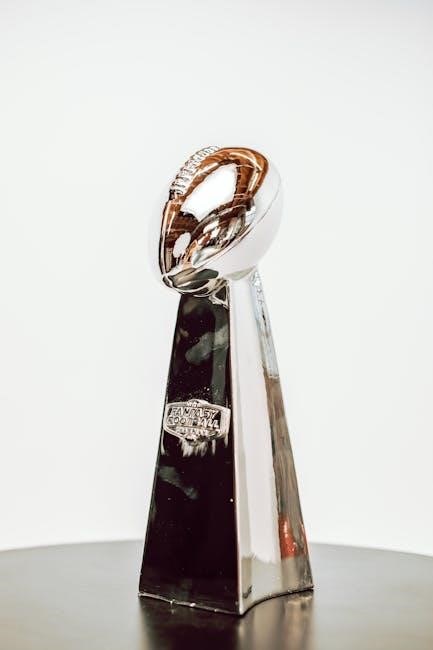
The CFP National Championship Trophy represents the pinnacle of college football achievement․ Awarded annually to the winner of the College Football Playoff, it signifies dominance on the national stage․ The current trophy, introduced in 2014, is a grand, ornate design crafted from bronze and features the CFP logo prominently․
Winning this trophy solidifies a team’s place in college football history, marking a season of unparalleled success and dedication․
Evolution of the National Championship Trophy
Prior to the College Football Playoff era, determining a national champion involved various polls and bowl games․ Consequently, there wasn’t a single, definitive national championship trophy․ Different organizations presented awards, leading to occasional disputes over the true champion․

The introduction of the CFP in 2014 brought a standardized system and a dedicated trophy, signifying a new era of clarity and prestige in crowning college football’s ultimate victor․
Recent National Championship Winners
The College Football Playoff has seen a dynamic range of champions․ Michigan secured the 2023 title, defeating Washington in a compelling final․ The 2022 championship belonged to Georgia, continuing their dominant run․ Alabama previously claimed victory in 2020, showcasing SEC prowess․
These recent contests highlight the competitive landscape and the dedication required to reach the pinnacle of college football, solidifying each team’s place in history․
The Maxwell Award
The Maxwell Award, presented annually since 1937, honors the best all-around player in college football․ It considers performance on both offense and defense, alongside leadership and sportsmanship․ Named after Ross E․ Maxwell, a former football player and sportswriter, the award recognizes complete athletes․
Selection is made by a panel of coaches, players, and sportswriters, emphasizing well-rounded contributions to their team’s success․
Criteria for the Maxwell Award
The Maxwell Award doesn’t solely focus on statistics; it values a player’s overall impact․ Candidates must demonstrate exceptional skill and contribute significantly to their team’s success․ Leadership qualities, both on and off the field, are heavily considered during the selection process․
Athletes are evaluated based on their versatility, showcasing abilities beyond a single position, and embodying the spirit of the game․
Notable Maxwell Award Winners
Throughout its history, the Maxwell Award has recognized some of college football’s brightest stars․ Past recipients include legendary players like Jim Plunkett (1970), Archie Griffin (1974 & 1975 – the only two-time winner), and Vinny Testaverde (1986)․
More recently, players such as Tim Tebow (2007) and Kyler Murray (2018) have earned the honor, solidifying its prestige and connection to future NFL success․
The Walter Camp Award
Named after “the Father of American Football,” Walter Camp, this award honors the nation’s top college football player․ Camp revolutionized the game, and the award established in 1935, continues his legacy․
It uniquely recognizes players for their all-around ability, considering both offense and defense․ The selection process involves coaches, sports information directors, and a national panel of experts, ensuring a truly representative choice․
Walter Camp’s Legacy and the Award
Walter Camp’s impact on football is immeasurable; he standardized rules, introduced the line of scrimmage, and developed the system of downs․ His innovations fundamentally shaped the modern game we know today․

The Walter Camp Award, first presented in 1935, directly honors this legacy by recognizing a player who embodies versatility and leadership․ It’s not just about statistics, but about overall contribution to team success, mirroring Camp’s holistic view of the sport․
Award Selection and Significance
The Walter Camp Award selection process involves a national panel of coaches, sports writers, and broadcasters․ This diverse group carefully evaluates candidates based on their performance throughout the season, considering both individual achievements and team impact․
Winning the Walter Camp Award carries immense significance, often signaling a player’s status as a top contender for other national honors, including the Heisman Trophy․ It’s a testament to all-around excellence and a lasting mark of collegiate football greatness․
Conference-Specific Trophies
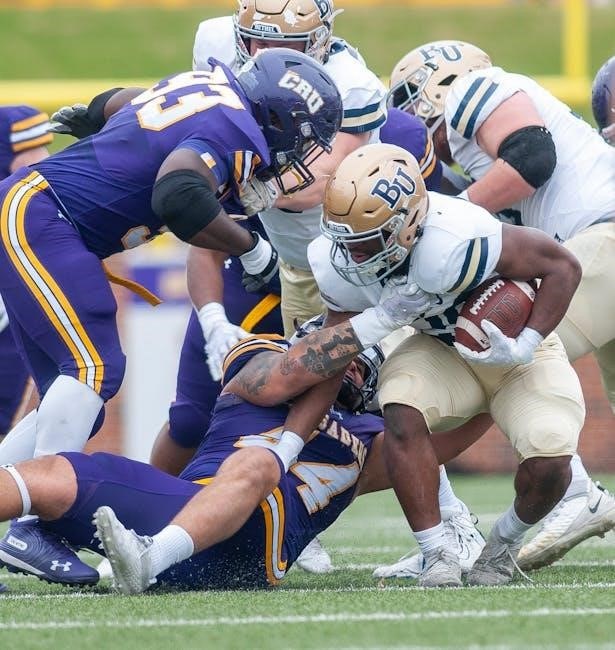
Beyond national awards, rivalries fuel unique conference trophies․ These symbols embody intense competition and longstanding traditions within each collegiate athletic league․
The Paul Bunyan Trophy (Big Ten)
A symbol of Big Ten dominance, the Paul Bunyan Trophy represents the annual clash between Minnesota and Wisconsin․ This iconic prize honors the legendary lumberjack, embodying strength and the fierce rivalry between these two programs․ The trophy itself is a massive wooden statue of Paul Bunyan’s boot, a truly unique and imposing visual․
The rivalry dates back to 1890, with Wisconsin holding the overall series lead, but Minnesota has enjoyed periods of success․ Presentation of the boot to the winning team after the game is a cherished tradition, signifying bragging rights for the year and a testament to gridiron supremacy․
The Rivalry Behind the Paul Bunyan Trophy
The Minnesota-Wisconsin rivalry is steeped in history, dating back to 1890, making it one of the oldest in college football․ Beyond the gridiron, the states share a border and a cultural connection, intensifying the competition․ Both programs represent agricultural roots and a strong work ethic, mirroring Paul Bunyan’s legend․
The annual battle isn’t just a game; it’s a point of state pride․ Victories are celebrated intensely, and defeats are felt deeply by fans across both states, fueling the enduring passion for this classic matchup․
Design and Presentation of the Trophy
The Paul Bunyan Trophy depicts the legendary lumberjack himself, a towering figure crafted from wood, symbolizing the region’s logging heritage․ The trophy features a removable axe, which the winning team claims and polishes until the next year’s contest․
Its rustic design embodies the spirit of the rivalry․ The presentation is a spectacle, with the winning coach receiving the trophy on the field amidst jubilant celebrations․ It’s a tangible symbol of dominance and bragging rights for the victorious program․
The Iron Bowl Trophy (SEC ⸺ Alabama vs․ Auburn)
The Iron Bowl, contested annually between Alabama and Auburn, is arguably college football’s most intense rivalry․ The trophy, a relatively recent addition, formally recognizes the victor of this historic clash․ While the rivalry predates any specific trophy, the current iteration adds another layer of prestige․
The game’s name stems from the state’s iron and steel industry, reflecting Alabama’s industrial roots․ Winning the Iron Bowl isn’t just a victory; it’s a statement of state-wide dominance․
The History of the Iron Bowl Rivalry
The Alabama-Auburn rivalry, known as the Iron Bowl, dates back to 1893, making it one of the oldest and most heated in college football․ Early games were often characterized by intense competition and accusations of rule-bending, fueling the animosity․ The series has seen numerous dramatic finishes and legendary players․
Throughout the 20th and 21st centuries, the Iron Bowl has frequently decided SEC Championship berths and national championship hopes, amplifying its significance beyond state lines․
The Trophy’s Symbolism
The Iron Bowl trophy, officially unveiled in 1989, represents the industrial heart of Alabama – iron and steel․ It visually embodies the state’s heritage and the fierce competition between the two universities, historically linked to Alabama’s iron production centers․
The trophy’s design, featuring a football resting on a base of iron, symbolizes the hard-fought battles and the enduring legacy of this iconic rivalry, representing pride and dominance․
The Apple Cup Trophy (Pac-12 ― Washington vs․ Washington State)
The Apple Cup, a tradition since 1935, pits the University of Washington against Washington State University in a heated rivalry․ Named for the state’s prominent apple-growing industry, the game embodies Washington’s agricultural heritage and regional pride․
The trophy itself is a unique, sculpted apple, symbolizing the state’s identity and the sweet taste of victory for the winning team, fostering intense competition annually․
The Tradition of the Apple Cup
Dating back to 1935, the Apple Cup is more than just a football game; it’s a cultural event for Washington State․ The annual clash between the University of Washington and Washington State University defines the state’s college football landscape, igniting passionate fan bases․
This longstanding rivalry often determines bragging rights and impacts the Pac-12 Conference standings, creating memorable moments and intense competition year after year․
The Trophy’s Unique Design
The Apple Cup Trophy itself is a striking symbol of the rivalry, featuring a gleaming apple crafted from polished metal․ This represents Washington State’s prominent apple-growing industry, a nod to the state’s agricultural heritage and economic significance․
The trophy’s design embodies the spirit of the competition, showcasing the unique identity of Washington State and serving as a coveted prize for the winning team each year;
Trophies Recognizing Specific Positions
Certain awards honor outstanding players at specialized roles․ These accolades, like the Rimington, Groza, and Ray Guy Awards, celebrate positional mastery and skill․
The Rimington Trophy (Best Center)
Recognizing the unsung hero of the offensive line, the Rimington Trophy annually honors college football’s most outstanding center․ Established in 1999 and named after Dave Rimington, a former Nebraska Cornhuskers center and consensus All-American, the award emphasizes both on-field performance and academic achievement․
Criteria focus on blocking proficiency, pass protection, and overall contribution to the team’s offensive success․ A committee comprised of former centers, coaches, and sports journalists meticulously evaluates candidates․ The trophy’s presentation is a significant event, acknowledging the vital, yet often overlooked, role centers play in collegiate football․
Criteria for the Rimington Trophy
The Rimington Trophy’s selection process prioritizes several key attributes․ Exceptional blocking skills are paramount, encompassing both run blocking and crucial pass protection for the quarterback․ Candidates are assessed on their technique, strength, and overall impact on offensive line performance․
Beyond pure athleticism, academic standing is a significant factor, reflecting the well-rounded student-athlete ideal․ Consistent performance throughout the season, coupled with leadership qualities, also weighs heavily in the committee’s deliberations․ Ultimately, the winner embodies the qualities of a complete center․
Past Rimington Trophy Recipients
The Rimington Trophy boasts a prestigious alumni list of exceptional collegiate centers․ Notable winners include standouts like Dave Szott (1999), LeCharles Bentley (2001), and Ryan Kalil (2006), all of whom enjoyed successful NFL careers․ More recent recipients demonstrate continued excellence, with players like Billy Price (2017) and Creed Humphrey (2020) earning recognition․
These past winners exemplify the dedication, skill, and leadership qualities the award seeks to honor, solidifying the Rimington Trophy’s place as a hallmark of center play․
The Lou Groza Award (Best Placekicker)
The Lou Groza Award annually recognizes college football’s most outstanding placekicker․ Established in 1991, it highlights the crucial, often overlooked, role of special teams․ Accuracy, distance, and impact on game outcomes are key criteria for selection․ The award is named after Lou Groza, a legendary Cleveland Browns kicker․
Recognizing consistent performance under pressure, the Groza Award elevates the profile of these vital specialists within the collegiate game;
The Importance of Special Teams and the Groza Award
Special teams often decide close contests, making the placekicker’s role paramount․ A reliable kicker can swing momentum with field goals and clutch extra points․ The Lou Groza Award acknowledges this significance, elevating special teams’ recognition․ It emphasizes that winning isn’t solely about offense and defense․
The award spotlights the pressure and skill required, proving special teams are integral to overall team success and championship aspirations․
Notable Lou Groza Award Winners
Throughout its history, the Groza Award has honored exceptional collegiate placekickers․ Past recipients include Sebastian Janikowski (1999), known for his powerful leg and lengthy NFL career, and Cairo Santos (2012), a consistent performer․ Zane Gonzalez (2016) also stands out for his accuracy and range․
These winners exemplify the skill and consistency recognized by the award, often continuing successful careers beyond college football, demonstrating the Groza’s prestige․
The Ray Guy Award (Best Punter)
The Ray Guy Award, presented annually since 2000, recognizes college football’s premier punter․ Named after the legendary Oakland Raiders punter, the award emphasizes not just distance, but also directional punting, hang time, and overall impact on field position․
It highlights the often-overlooked importance of special teams, rewarding players who consistently flip the field and provide their teams with a significant advantage․
Recognizing Punting Excellence
The Ray Guy Award specifically acknowledges the nuanced skill of punting, moving beyond simple yardage․ Judges evaluate hang time, allowing coverage teams to arrive, and directional punting, pinning opponents deep within their territory․
This focus reflects the strategic importance of a well-executed punt, often shifting momentum and setting up favorable defensive positions․ It’s a celebration of precision and technique within special teams play․
Ray Guy Award History
Established in 2000, the Ray Guy Award honors the nation’s top collegiate punter, named after the legendary Oakland Raiders punter․ Guy revolutionized the position with his booming punts and exceptional hang time during his professional career․
The award’s creation aimed to elevate the recognition of punters, often overlooked despite their significant impact on field position․ A national selection panel of coaches, sports writers, and broadcasters determines the annual recipient․
Less Known, But Significant Trophies
Beyond the headlines, several awards celebrate exceptional players․ These trophies recognize outstanding contributions often overshadowed by more prominent, nationally televised accolades․
The Bronko Nagurski Trophy (Defensive Player of the Year)
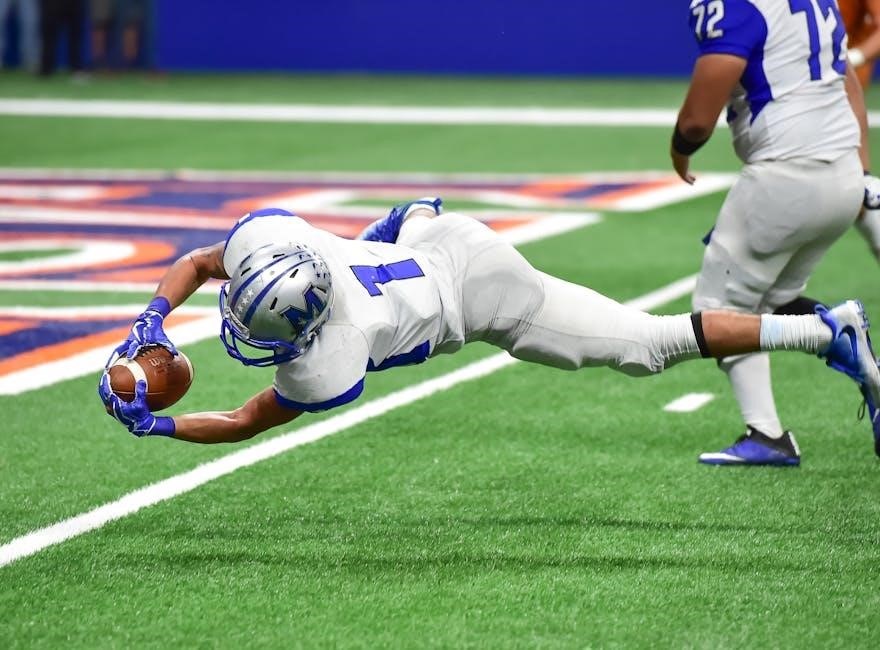
Named after Bronko Nagurski, a legendary two-way football player, this trophy honors the best defensive player in college football each year․ Nagurski dominated the game in the 1920s and 30s, showcasing incredible strength and versatility․
The award, presented by the Football Writers Association of America (FWAA), considers a player’s impact on their team’s success․ Selection involves a national panel of voters, carefully evaluating candidates based on performance throughout the season․ It’s a prestigious honor recognizing defensive dominance and game-changing ability․
Bronko Nagurski’s Football Career
Bronisław “Bronko” Nagurski was a dominant force in early football, excelling as both a fullback and a tackle․ Playing for the University of Minnesota in the 1920s, he led the Golden Gophers to a national championship in 1924․ His incredible strength and relentless playstyle quickly made him a legend․
Nagurski continued his career in the NFL, becoming a founding member of the Chicago Bears․ He was renowned for his powerful running and intimidating presence on the defensive line, solidifying his place as one of football’s all-time greats․
Award Selection Process
The Bronko Nagurski Trophy selection is a collaborative effort, involving the FWAA (Football Writers Association of America) and a national panel of college football experts․ Nominees are initially chosen based on their defensive performances throughout the regular season․
The FWAA then narrows down the candidates, and a final vote determines the recipient․ The award prioritizes players demonstrating exceptional strength, agility, and impact on their team’s defensive success, honoring Nagurski’s own playing style․
The Davey O’Brien Award (Best Quarterback)
The Davey O’Brien Award annually recognizes the most outstanding quarterback in college football, honoring the legacy of the legendary Davey O’Brien, a star at Texas Christian University (TCU)․ Established in 1958, the award emphasizes not only on-field performance but also character and leadership․
A selection committee comprised of media members, former players, and coaches determines the winner, considering statistics, team success, and overall impact․
Davey O’Brien’s Legacy
Davey O’Brien, a TCU Horned Frog from 1938-1940, remains a pivotal figure in college football history․ He led TCU to a national championship in 1938 and finished second in the Heisman Trophy voting twice․ O’Brien’s innovative passing style revolutionized the quarterback position, shifting focus towards aerial attacks․
His remarkable athleticism and competitive spirit cemented his place as a collegiate icon, inspiring generations of quarterbacks and leaving an enduring mark on the sport․
Award Criteria and Winners
The Davey O’Brien Award recognizes the best quarterback in college football, evaluating candidates based on performance, sportsmanship, and leadership․ A selection committee comprised of media members, coaches, and former players determines the recipient annually․
Past winners include legendary names like Jim Plunkett, Archie Manning, and recent stars like Joe Burrow and Caleb Williams, showcasing the award’s consistent recognition of elite quarterback talent and impactful players․
 parents guide to teaching driving
  wow cataclysm classic enchanting guide
  kctv guide
  aerogarden user guide
  window guide clips
  vegetable planting guide zone 9
  mendota fireplace manual
  silent knight sk 5208 manual
  life’s little instructions poster