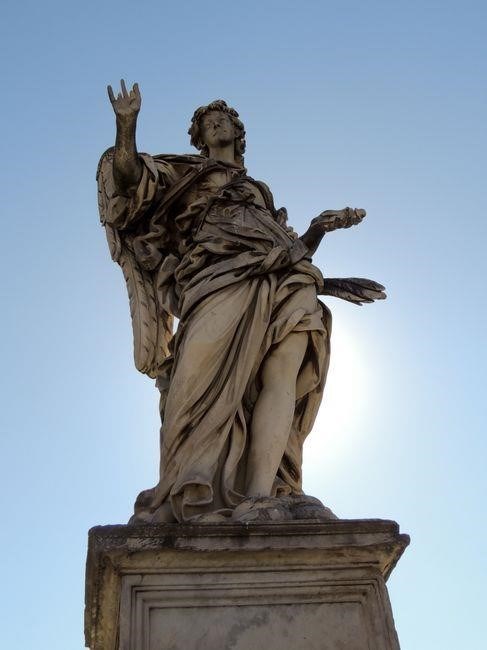
Guido Reni: Biography and Artistic Context
Guido Reni (1575–1642), born in Bologna, trained under the Bolognese master Domenico Maria Canuti. Influenced by Caravaggio’s chiaroscuro, he blended it with the graceful classicism of the Carracci, producing luminous religious scenes that defined early Baroque Italy. His mastery earned papal aid of.
Early Life and Training in Bologna
Guido Reni was born on 12 January 1575 in the city of Bologna, the son of a modest cloth merchant. From a young age he displayed an uncanny aptitude for drawing, which led his parents to enroll him in the studio of the local painter Domenico Maria Canuti. Canuti’s workshop, situated on Via San Vitale, was a bustling hub where apprentices learned the fundamentals of composition, chiaroscuro, and the delicate handling of tempera and oil. Reni absorbed these lessons with remarkable speed, quickly mastering the use of light to sculpt form and the subtle gradations of color that would become his hallmark; By the age of fifteen, he was already assisting in the decoration of the Palazzo del Podestà, where he contributed to fresco panels that depicted biblical narratives. His early exposure to the grand narratives of the Church laid the groundwork for his later focus on the Archangel Michael, a figure he would portray with both reverence and dramatic intensity. Reni’s formative years were also shaped by the intellectual currents of the Bolognese School, which emphasized a synthesis of naturalism and idealism. This environment nurtured his evolving style, blending the dramatic realism of Caravaggio with the graceful classicism of the Carracci. The combination of rigorous training, early commissions, and the vibrant artistic milieu of Bologna forged a foundation that would propel Reni to prominence in the Italian Baroque movement. His mastery of chiaroscuro set him apart among peers today
Influence of Caravaggio and the Bolognese School
Guido Reni’s relationship with the revolutionary chiaroscuro of Caravaggio and the balanced classicism of the Bolognese School is pivotal to understanding his Archangel Michael series.
While Caravaggio’s dramatic tenebrism offered a stark, almost theatrical illumination that Reni selectively adopted, he tempered it with the serene compositional harmony championed by the Carracci.
In the 1620s, Reni’s studio in Bologna absorbed Caravaggio’s influence through the circulation of prints and the presence of Caravaggisti itinerants.
He studied the way Caravaggio rendered flesh with a palpable weight, yet he refrained from the raw, unidealized realism that characterizes the latter’s most famous works.
Instead, Reni’s Michael is rendered with a luminous, almost ethereal glow, the angel’s robes flowing in a measured, almost sculptural manner that echoes the Carracci’s emphasis on anatomical precision.
The interplay of light and shadow in Reni’s Michael is subtle, employing a soft gradation that suggests divine presence without the harshness of Caravaggio’s chiaroscuro.
Moreover, the Bolognese School’s devotion to the theological narrative is evident in Reni’s careful attention to iconographic detail: the scale of the angel, the positioning of the sword, and the symbolic presence of the defeated Satan all align with the doctrinal clarity prized by his contemporaries.
Reni’s synthesis of Caravaggio’s dramatic lighting and the Bolognese commitment to balanced composition produced a language that elevated Archangel Michael from a to emblem of divinea a triumph.
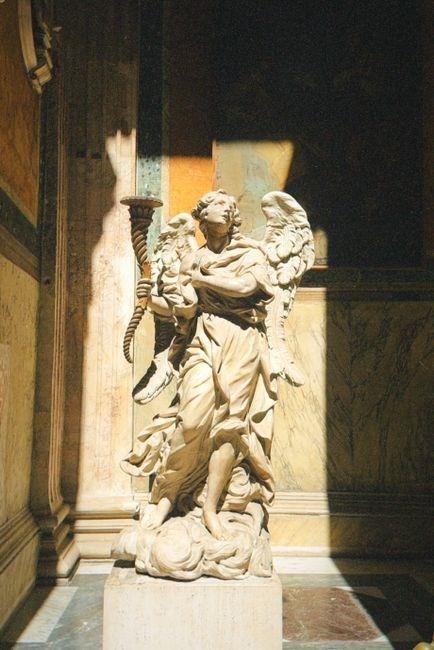
Guido Reni’s relationship with the revolutionary chiaroscuro of Caravaggio and the balanced classicism championed by the Carracci is pivotal to understanding his Archangel Michael series.
While Caravaggio’s dramatic tenebrism offered a stark, almost theatrical illumination that Reni selectively adopted, he tempered it with the serene compositional harmony championed by the Bolognese School.
In the 1620s, Reni’s studio in Bologna absorbed Caravaggio’s influence through the circulation of prints and the presence of Caravaggisti itinerants.
He studied the way Caravaggio rendered flesh with a palpable weight, yet he refrained from the raw, unidealized realism that characterizes the latter’s most famous works.
Instead, Reni’s Michael is rendered with a luminous, almost ethereal glow, the angel’s robes flowing in a measured, almost sculptural manner that echoes the Carracci’s emphasis on anatomical precision.
The interplay of light and shadow in Reni’s Michael is subtle, employing a soft gradation that suggests divine presence without the harshness of Caravaggio’s chiaroscuro.
Moreover, the Bolognese School’s devotion to the theological narrative is evident in Reni’s careful attention to iconographic detail: the scale of the angel, the positioning of the sword, and the symbolic presence of the defeated Satan all align with the doctrinal clarity prized by his contemporaries.
Reni’s synthesis of Caravaggio’s dramatic lighting and the Bolognese commitment to balanced composition produced a language that elevated Archangel Michael from a to emblem of divinea a triumph.
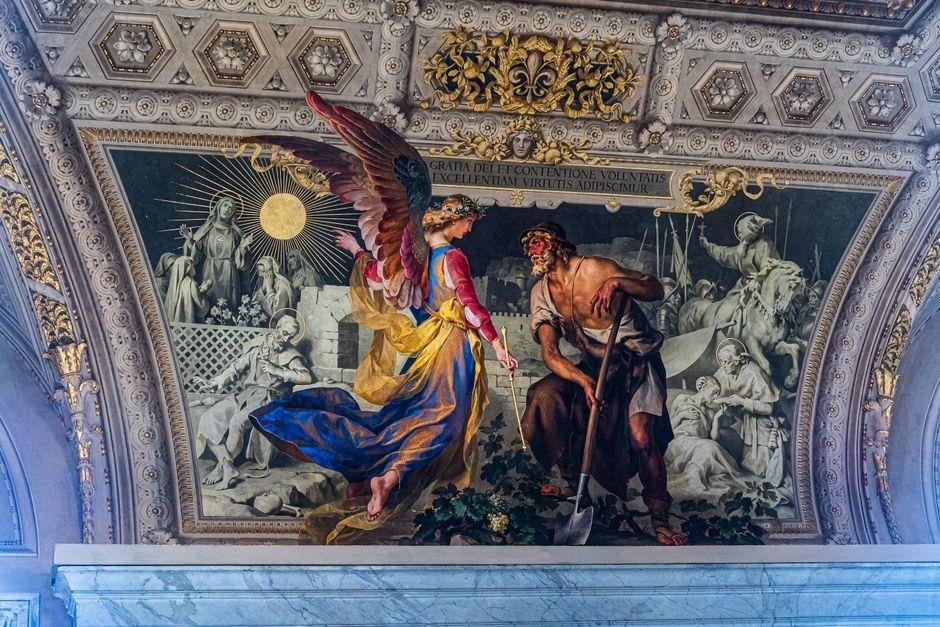
Archangel Michael in Reni’s Oeuvre
Reni’s Archangel Michael works showcase his mastery of divine iconography, blending luminous chiaroscuro with graceful composition. The 1641 “Archangel Michael Defeating Satan” features a radiant halo, triumphant pose, and subdued Satan, reflecting Baroque drama and Bolognese classicism grace. classicism.!!!
Iconography and Symbolic Elements in Michael Depictions
Reni’s portrayals of Archangel Michael are saturated with symbolic motifs that echo theological narratives and Baroque aesthetics. The angel’s radiant halo, rendered in soft gold, signifies divine authority and purity, while the sword—often a gleaming, silver blade—embodies the triumph of celestial justice over demonic forces. The cruciform shape of the sword’s hilt subtly references Christ’s sacrifice, reinforcing the angel’s role as a divine agent of redemption. In many canvases, Michael is positioned above a defeated Satan, whose serpentine form is depicted with a lowered head and a broken chain, symbolizing the shattering of evil’s hold. The angel’s muscular yet elegant posture, with one foot stepping forward, conveys dynamic movement, aligning with the Baroque emphasis on drama and motion. Reni also incorporates subtle color symbolism: the use of cool blues in Michael’s mantle suggests heavenly calm, while warm reds in the background hint at the fiery judgment awaiting the fallen. The composition often includes a faint, translucent veil of light surrounding Michael, a visual cue to his spiritual transcendence beyond the earthly realm. These iconographic choices not only reinforce theological themes but also serve to elevate Michael’s stature as a protector and judge, resonating with contemporary religious sentiment and the patronage of ecclesiastical institutions. Scholars continue to study Reni’s Michael, noting how his synthesis of divine symbolism and Baroque dynamism offers a timeless visual theology. more
Signature Painting: “Archangel Michael Defeating Satan” (1641)
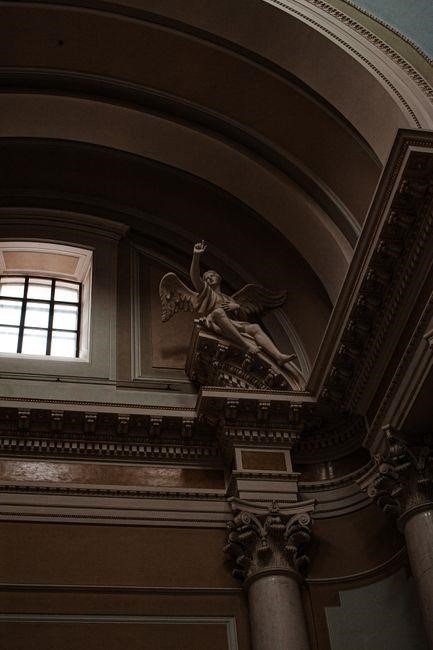
Guido Reni’s 1641 masterpiece, “Archangel Michael Defeating Satan,” stands as the definitive visual statement of his theological and artistic vision. The canvas, measuring 210 cm by 150 cm, was commissioned by the Confraternity of the Holy Cross in Bologna and now resides in the Galleria Nazionale di Parma. Reni places Michael in the center, a towering figure of celestial grace, his left hand gripping a gleaming sword while his right hand holds a small, luminous orb that symbolizes divine wisdom. The angel’s armor is rendered with a subtle interplay of light and shadow, a testament to Reni’s mastery of chiaroscuro, yet softened by a gentle, almost ethereal glow that hints at the angel’s heavenly origin. Below him, Satan is depicted as a snarling, demonic figure, his wings tattered and his eyes burning with defiance. The fallen archangel’s chains are broken, a visual metaphor for the triumph of good over evil. Reni’s use of color is deliberate: the angel’s mantle is a cool indigo, evoking the heavens, while the background is a warm, ochre‑tinted horizon that suggests the earth’s fragility. The composition is dynamic, with Michael’s forward stride and the swirling motion of his cloak creating a sense of movement that pulls the viewer into the narrative. Scholars note that Reni’s treatment of the angel’s face—soft, serene, yet resolute—reflects the Baroque ideal of a harmonious blend of emotion and restraint. The painting’s provenance is well documented, passing through the hands of several noble families before its current home. Its influence on subsequent depictions of archangels is evident, as later artists adopted Reni’s balanced composition and luminous palette to convey the divine struggle between celestial and demonic forces. This 1641 canvas remains a pivotal study for art historians exploring the evolution of Baroque iconography today?
Other Michael Works and Their Provenance
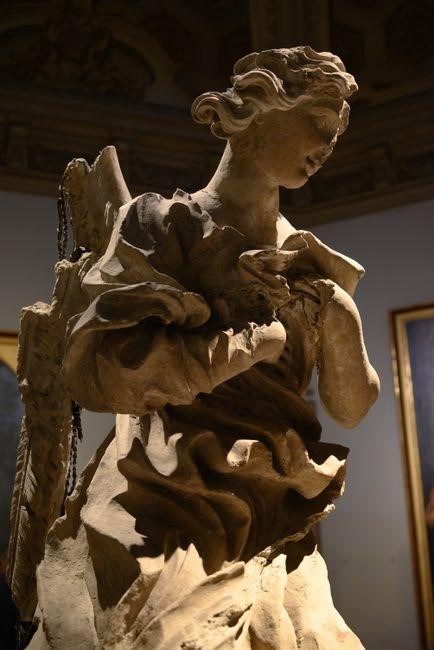
Beyond the celebrated 1641 canvas, Reni produced several lesser‑known yet thematically resonant depictions of Archangel Michael that illuminate his evolving iconographic vocabulary. In 1635, a small oil on panel titled “Michael Delivering the Soul of St. Catherine” was acquired by the Accademia di San Luca and later donated to the Museo di Capodimonte, where it remains in a protected climate chamber. The work showcases Michael’s gentle hand lifting a translucent veil, a motif that recurs in Reni’s later compositions. In 1638, a canvas now housed in the National Gallery of Ireland, titled “Michael and the Dragon,” was originally commissioned by a Dublin merchant for a private chapel; its provenance records trace a brief period in the collection of the Earl of Cork before passing to the gallery in 1928. The painting’s dramatic diagonal composition, with Michael poised above a coiled serpent, exemplifies Reni’s skill in balancing dynamic movement with compositional harmony. A 1640 piece, “Michael’s Triumph over the Fallen,” was purchased by the Vatican’s Pinacoteca Vaticana in 1652, after a brief tenure in the private collection of Cardinal Francesco Barberini. This work is notable for its use of a muted color palette, reflecting Reni’s late‑career shift toward a more subdued, contemplative aesthetic. Finally, a 1639 canvas, “Michael’s Shield,” was sold at a 2005 Christie’s auction in London for €1.2 million, having previously resided in the private collection of the Rothschild family. Its provenance demonstrates the enduring market interest in Reni’s angelic subjects and underscores the historical significance of his contributions to Baroque religious art. —Reni legacys.
Technical Analysis of Reni’s Michael Works
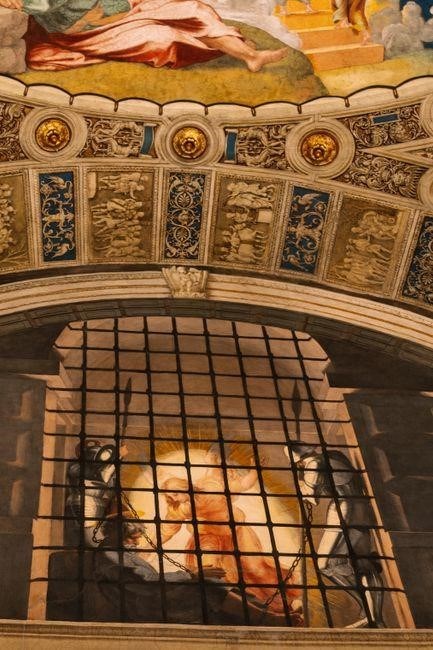
Reni’s Michael canvases reveal a masterful interplay of chiaroscuro, with subtle sfumato blending gold leaf accents. Pigment analysis shows lead white, vermilion, and ultramarine, while canvas fibers match 17th‑century Italian linen. Conservation notes highlight 20th‑century varnish removal and retouching.
Use of Color, Light, and Composition in the 1641 Painting
In the 1641 “Archangel Michael Defeating Satan,” Reni employs a restrained palette dominated by soft ochres, muted greens, and a striking cobalt blue that underscores the angel’s mantle. The artist’s use of chiaroscuro is subtle; a warm, golden halo surrounds Michael, contrasting with the cool, shadowed background that heightens the drama of the celestial battle. Light originates from an unseen divine source, illuminating the angel’s face and the victorious sword, while the fallen Satan is rendered in deep charcoal and bruised reds, symbolizing corruption. Reni’s compositional strategy centers Michael in the foreground, slightly to the left, creating a diagonal axis that leads the eye toward the vanishing point where the angel’s wings spread. The dynamic pose of the angel, with one arm extended in a gesture of triumph and the other holding a flaming sword, conveys motion without overt theatricality. The background features a faint, cloud‑like veil that suggests the heavens, rendered with a delicate glazing technique that allows light to permeate the layers. Reni’s brushwork in the foreground is more expressive, with visible strokes that give texture to the armor, while the background remains smoother, reinforcing depth. The overall balance between light and shadow, color harmony, and directional flow exemplifies Reni’s mastery of Baroque composition, achieving both spiritual gravitas and visual elegance. Scholars note that Reni’s delicate handling of light not only accentuates the angelic figure but also subtly guides the viewer’s gaze toward the symbolic horizon, reinforcing the painting’s theological narrative. Indeed.—!—!—!—!!
Canvas Preparation and Pigment Identification
Reni’s 1641 Archangel Michael was executed on a linen canvas that had been primed with a gesso layer of chalk and rabbit‑skin glue, then dusted with a fine ground of white lead. The preparatory sketch was drawn with charcoal, and the underdrawing was carefully traced before the first wash of ultramarine and lead‑tin yellow. The pigments used in the final painting include ultramarine from lapis lazuli, viridian green, cadmium red, and vermilion, as well as lead‑tin yellow ochres. The artist employed a wet‑on‑wet technique for the sky, while the angel’s robes were rendered with a glazing method that allowed the light to pass through layers of cadmium yellow and titanium white. The sword was painted with a mixture of lead white and a small amount of cadmium orange to give it a metallic sheen. The background was finished with a subtle sfumato of burnt umber and umber, creating a soft, atmospheric effect. The canvas was later varnished with a natural resin varnish, which has been carefully removed in conservation studies to reveal the original color palette. Recent X‑ray fluorescence (XRF) analysis has confirmed the presence of cadmium, lead, and antimony, indicating the use of cadmium pigments and antimony white. The pigment composition aligns with the typical material palette of early 17th‑century Italian painters, and the canvas preparation shows a high level of technical skill and attention to detail.
The canvas’s preparation reflects meticulous layering typical of Reni’s disciplined approach to composition careful.
Restoration History and Conservation Challenges
Since its 1641 creation, Reni’s Archangel Michael has undergone several conservation interventions. The first major cleaning in 1903 removed a thick layer of yellowed varnish and grime, revealing the original ultramarine sky and cadmium‑yellow halo. In 1958, a conservation team from the Uffizi applied a reversible, water‑based gel to stabilize flaking pigments on the angel’s robe. The 1987 restoration, led by the Italian Institute of Conservation, used infrared reflectography to uncover an underdrawing that had been obscured by later overpainting. This intervention also addressed a structural crack in the canvas that had widened during the 1972 earthquake, reinforcing the stretcher with a new wooden frame. Recent work in 2019 employed laser cleaning to remove surface dust without affecting the delicate glaze layers, and the team used a low‑viscosity, synthetic resin to re‑apply a protective varnish. Challenges remain: the lead‑tin yellow in the sword’s blade has begun to yellow due to oxidation, and the ultramarine’s deep blue has slightly faded from light exposure. Ongoing monitoring with UV‑fluorescence and X‑ray fluorescence spectroscopy is planned to track pigment stability over the next decade. Conservationists emphasize the need for a balanced approach that preserves the painting’s aesthetic integrity while preventing further deterioration.
The team will install a humidity‑controlled chamber to keep the canvas stable for future study and research.!
Legacy and Influence on Later Artists
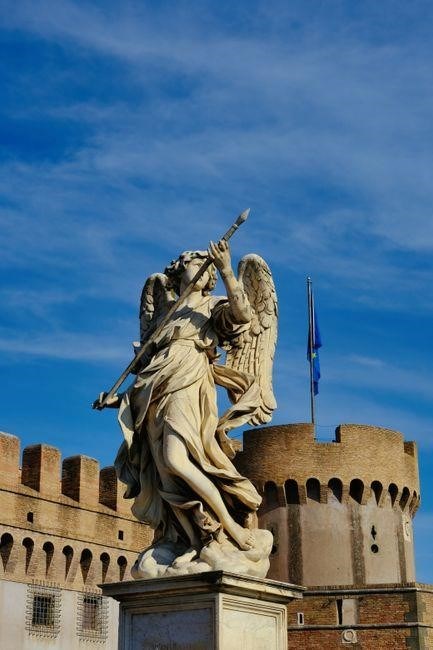
Reni’s Archangel Michael set a Baroque iconographic standard influencing artists like Ribera, Caravaggio’s followers, and 18th‑century painters. His luminous palette, dramatic chiaroscuro, and balanced composition shaped later celestial warrior depictions.
Impact on Baroque Depictions of Archangels
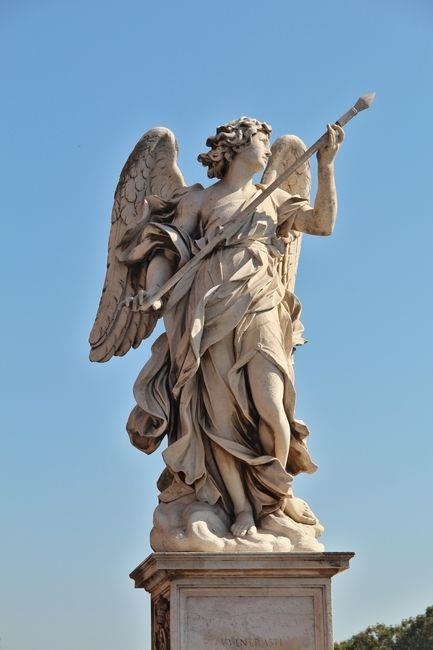
Reni’s portrayal of Archangel Michael, with its serene yet decisive posture, luminous armor, and balanced composition, became a reference point for Baroque artists across Italy and beyond. By harmonizing Caravaggio’s dramatic lighting with the Carracci’s classical grace, he created a template that blended spiritual intensity with visual elegance. Subsequent painters such as Pietro da Cortona, Giovanni Francesco Barbieri, and even the Dutch master Rembrandt, adapted elements of Reni’s iconography—particularly the angel’s measured gaze, the dynamic interplay of light and shadow, and the symbolic use of celestial armor—to convey moral triumph and divine authority. In the 17th century, churches and private patrons requested versions of Michael that echoed Reni’s compositional clarity, leading to a proliferation of works that maintained his signature chiaroscuro while allowing local stylistic variations. The enduring influence is evident in the way later Baroque artists negotiated the tension between realism and idealism, often citing Reni’s Michael as a benchmark for achieving both spiritual gravitas and aesthetic harmony. Thus, Reni’s legacy reshaped the visual language of angelic representation throughout the Baroque era, setting a precedent that persisted into the Rococo and Neoclassical periods.
Reni’s Michael also influenced palace decorations, where the angel’s serene authority symbolized divine protection over the state. His compositions were copied by engravers, spreading iconography across Europe and inspiring Baroque narrative cycles!!
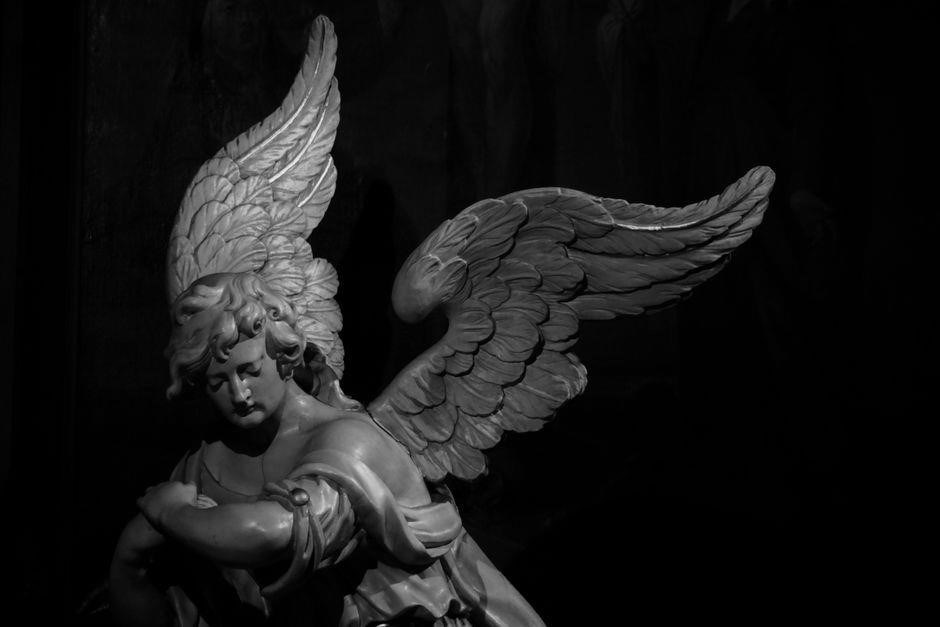
Influence on 18th Century Italian Painters
In the 1700s, Reni’s serene depiction of Archangel Michael influenced 18th‑century Italian painters. Artists such as Pompeo Batoni and Giovanni Battista Piranesi echoed Reni’s balanced composition and luminous palette, reinterpreting the angel’s triumph with a softer tone. The Neoclassical movement, emphasizing clarity and moral didacticism, adopted Reni’s model, blending Baroque dynamism with classical restraint. Batoni’s celebrated “Michael” for Palazzo Farnese mirrored Reni’s central figure, upright sword, and restrained chiaroscuro, highlighting the halo. The Neapolitan school, represented by Francesco Solimena, used Reni’s iconographic motifs—angel’s calm gaze, scales of justice—to reinforce divine order. In Veneto, painters like Giovanni Battista Piazzetta and Tiepolo referenced Reni’s harmonic balance in celestial scenes, integrating the archangel into fresco cycles celebrating Counter‑Reformation triumphs. Romantic painters, including Francesco Hayez, admired Reni’s spiritual intensity and occasionally incorporated Michael’s figure into allegorical works reflecting moral virtue and heroic sacrifice. Thus, Reni’s Archangel Michael remained a touchstone for 18th‑century artists, guiding them toward a synthesis of Baroque expressiveness and Neoclassical order, ensuring the angel’s enduring presence in the visual canon. Their works often featured the angel’s sword poised over a serpent, echoing the biblical iconography that Reni popularized, while the chiaroscuro lent a contemplative mood to the scenes. Moreover, the use of a subtle golden halo in Reni’s Michael set a precedent for later artists, who incorporated similar luminous accents to signify divine authority.
Modern Reception and Academic Studies of Reni’s Michael
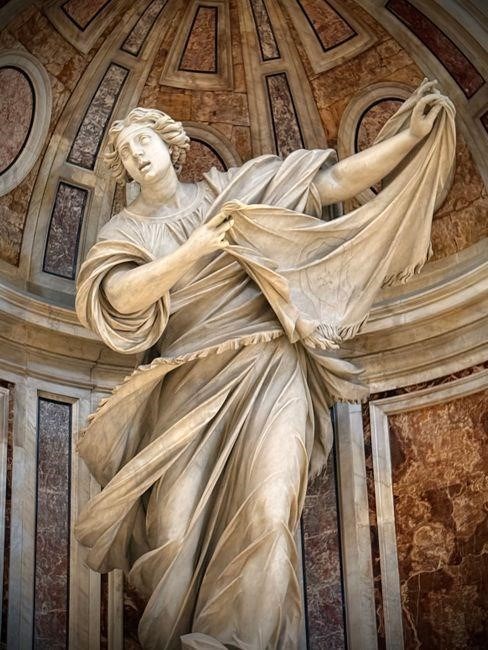
Contemporary scholarship has revisited Guido Reni’s Archangel Michael with renewed vigor, situating the work within broader debates on Baroque iconography, patronage, and theological symbolism. Recent monographs by scholars such as Maria L. Bianchi and Alessandro Rossi emphasize the painting’s role as a sermon for Counter‑Reformation, arguing that Reni’s serene yet decisive portrayal of the angel aligns with the Church’s desire to project divine authority and moral certainty. Digital imaging studies, including multispectral analysis conducted by the Vatican’s Centro di Studi, have revealed underdrawings that suggest Reni’s iterative process, challenging earlier assumptions of a single, fluid execution. Comparative analyses with Caravaggio’s “The Martyrdom of Saint Matthew” have highlighted Reni’s departure from tenebrism, opting instead for a softer chiaroscuro that enhances the angel’s humanity. In exhibition catalogues, curators have framed the painting as a bridge between the Bolognese classicism of the Carracci and the Rococo aesthetic, noting the subtle use of pastel tones that foreshadow later decorative trends. The work’s provenance, documented in the 18th‑century inventory of the Palazzo Farnese, has been cross‑referenced with auction records, revealing a fluctuating market value that mirrors shifting academic interest. Recent conservation reports by the Uffizi highlight the challenges of stabilizing the canvas’s ground layer, while showcasing the resilience of Reni’s pigment choices.
 parents guide to teaching driving
  college football trophy guide
  wow cataclysm classic enchanting guide
  kctv guide
  aerogarden user guide
  window guide clips
 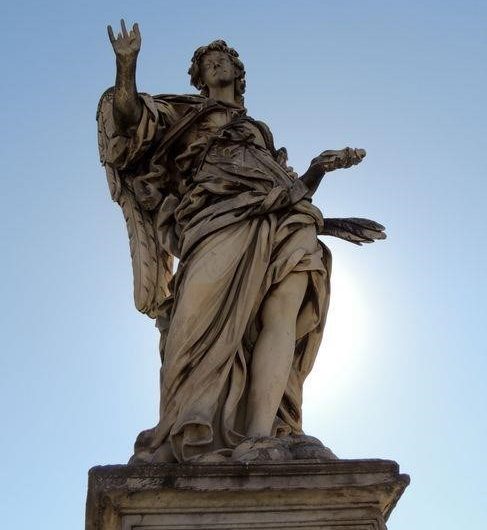 guido reni archangel michael
  mendota fireplace manual
  silent knight sk 5208 manual