
Embarking on assembling your Weber Spirit II grill is an exciting step towards countless enjoyable barbecues! This guide provides essential information,
connecting you with readily available resources like PDF manuals and online assembly guides.
Weber offers comprehensive documentation, including detailed owner’s manuals and step-by-step instructions, ensuring a smooth and successful setup process.
These resources are easily accessible through the Weber website, offering support for models like the Spirit E-210 and Spirit II E-310.
Successfully assembling your grill involves understanding the components, following the provided instructions, and prioritizing safety throughout the process.
Let’s begin your journey to grilling perfection with your new Weber Spirit II!

Overview of the Weber Spirit II Series
The Weber Spirit II series represents a significant evolution in gas grilling, offering a blend of convenience, performance, and durability. This popular line caters to a wide range of grilling enthusiasts, from beginners to seasoned pitmasters. Key features include improved ease of assembly, enhanced heat distribution, and a modern aesthetic design.
Available in various configurations – including 2-burner and 3-burner models like the Spirit E-210 and Spirit II E-310 – the series provides flexibility to suit different cooking needs and outdoor space limitations. Weber prioritizes user experience, evident in the intuitive control panels and robust construction.
The Spirit II grills are designed for straightforward assembly, with readily available resources like detailed manuals and online guides. Weber’s commitment to quality ensures a reliable and long-lasting grilling experience, making the Spirit II series a fantastic investment for any barbecue lover.
Tools Required for Assembly
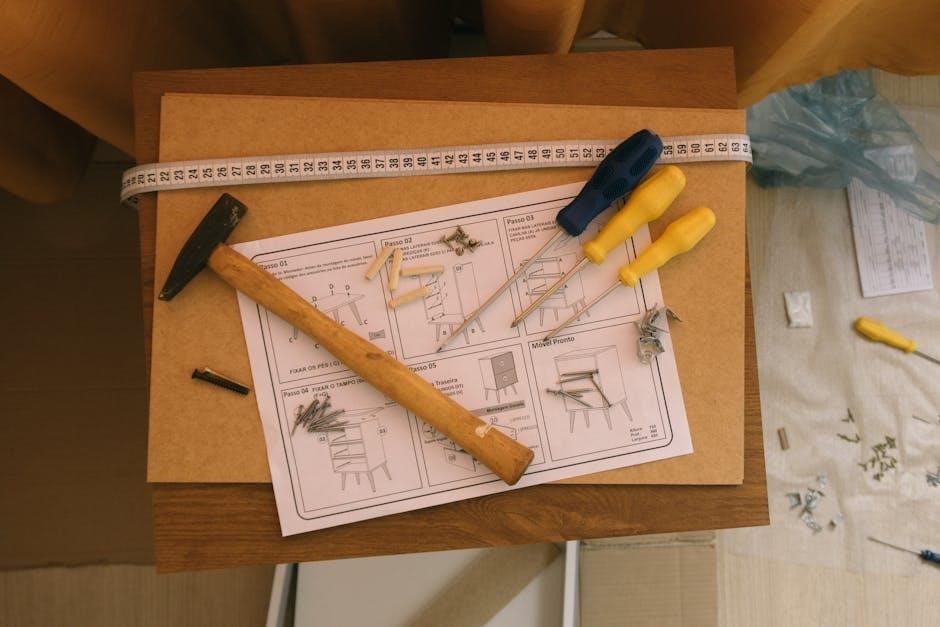
Successfully assembling your Weber Spirit II grill requires only a few common tools, minimizing complexity and ensuring a hassle-free setup. A Phillips head screwdriver is essential for securing various components, including the legs, burners, and control panel. While not always mandatory, a rubber mallet can be helpful for gently tapping parts into place, preventing damage during assembly.
For checking gas connections and ensuring safety, a wrench is highly recommended. Although many connections are designed for hand-tightening, a wrench provides extra security. Weber generally designs its grills for minimal tool usage, prioritizing ease of assembly for all users.
It’s important to note that specialized tools are typically not needed. The Weber provided manual will clearly indicate when each tool is required, streamlining the process and guaranteeing a secure, properly assembled grill.

Unboxing and Parts Identification
Carefully unpack your Weber Spirit II, verifying all components against the parts list in the manual. Identifying burners, cooking grates, and the grill base is crucial before starting!
Checking the Contents of the Box
Upon receiving your Weber Spirit II grill, the initial step involves a thorough inventory of the box’s contents. Carefully remove all packaging materials and lay out each component to ensure nothing is missing. Refer to the parts list detailed within the owner’s manual – readily available as a PDF download from Weber’s website – to systematically check off each item.
Confirm the presence of essential parts like the grill base, side shelves (if applicable), burners, cooking grates, warming rack, grease management components, legs, and the control panel. Also, verify the inclusion of hardware such as screws, bolts, and washers. If any parts are absent or damaged, immediately contact Weber’s customer support at 800-446-1071 for assistance and potential replacements. A complete inventory upfront prevents frustrating delays during the assembly process.
Identifying Key Components: Burners, Cooking Grates, etc;
Familiarizing yourself with the Weber Spirit II’s key components is crucial before beginning assembly. The burners, typically two or three depending on the model (like the E-210 or E-310), are the heart of the grill, responsible for generating heat. The cooking grates, usually porcelain-enameled cast iron, provide the surface for grilling food.
Identify the warming rack, positioned above the cooking grates, for keeping food warm. The grease management system, comprising a grease tray and catch pan, efficiently collects drippings. Recognize the control panel with its knobs for regulating burner intensity and the igniter for initiating the grilling process. Refer to the Weber owner’s manual – accessible as a PDF – for detailed diagrams and component labeling, ensuring accurate identification before proceeding.

Step-by-Step Assembly Instructions
Follow the Weber manual closely for a seamless build! Detailed PDF guides and online videos simplify each stage, from base construction to burner connection and grate mounting.
Attaching the Legs to the Grill Base
Begin by carefully positioning the grill base upside down on a protected surface to prevent scratches. Locate the leg components, typically four individual pieces, and align them with the pre-drilled holes on the underside of the base.
Secure each leg using the provided bolts and washers, ensuring they are hand-tightened initially. Once all legs are in place, use a wrench or screwdriver (refer to your manual for the correct tool) to fully tighten each bolt. Important: Do not overtighten, as this could damage the base or legs.
Verify the stability of the grill by gently rocking it once the legs are attached. All legs should be firmly secured and evenly support the weight of the grill. Refer to the Weber assembly guide or online videos for visual assistance if needed, ensuring proper alignment and secure attachment for a stable grilling platform.
Installing the Grease Management System
Locate the grease management components, typically including a grease tray and a grease channel or baffle. Begin by sliding the grease channel into its designated slot within the grill base, ensuring it’s securely positioned to direct grease flow.
Next, carefully place the grease tray beneath the channel, aligning it to catch any dripping grease. The tray should slide easily into its designated area. Ensure the tray is fully inserted to prevent spills and maintain cleanliness.
Proper installation of the grease management system is crucial for safe and easy grill maintenance. Refer to your Weber Spirit II manual for specific diagrams and instructions related to your model. A correctly installed system minimizes flare-ups and simplifies cleanup after each grilling session.
Connecting the Burners and Gas Supply
Carefully attach the burners to the manifold, ensuring each burner tube is securely connected and aligned with the gas valves. Verify a snug fit to prevent gas leaks. Then, connect the gas supply hose to the regulator, tightening the connection firmly by hand – avoid using tools initially.
Crucially, before proceeding, perform a leak test using soapy water applied to all gas connections. Look for bubbles, indicating a leak. If leaks are detected, tighten the connections further or consult the Weber manual for troubleshooting.
Always prioritize safety when handling gas connections. Refer to your Weber Spirit II manual for detailed diagrams and specific instructions for your model. A secure and leak-free gas connection is paramount for safe grilling.
Mounting the Cooking Grates and Warming Rack
Carefully position the cooking grates onto the grill’s support brackets, ensuring they sit securely and evenly across the cooking area. Weber’s grates are designed for optimal heat distribution, so proper placement is key. Next, install the warming rack above the primary cooking grates.
Ensure the warming rack is firmly seated in its designated supports, providing a convenient space for keeping food warm or toasting buns. Refer to your Spirit II manual for specific grate and rack configurations, as they may vary slightly between models.
Properly installed cooking grates and a warming rack enhance your grilling experience, offering versatility and convenience. Double-check their stability before use, guaranteeing safe and enjoyable cooking.

Control Panel and Ignition System
Familiarize yourself with the control knobs, understanding their function for precise burner control. Test the igniter to confirm a reliable spark, initiating a smooth grilling experience!
Understanding the Control Knobs
The control knobs on your Weber Spirit II grill are intuitively designed for effortless temperature management. Each knob corresponds to a specific burner, allowing independent control over each heating zone. Turning the knob clockwise increases the gas flow, raising the burner’s flame and, consequently, the cooking temperature.
These knobs aren’t just for adjusting heat; they also feature the Weber’s infinite control setting. This means you can precisely position the knob between ‘High’, ‘Medium’, and ‘Low’ for customized cooking. The ‘High’ setting delivers maximum heat for searing, while ‘Low’ is ideal for simmering or keeping food warm.
Understanding this functionality is crucial for achieving optimal results with various recipes. Remember to always turn the knobs to the ‘Off’ position when finished grilling, ensuring safety and preventing gas leaks. Proper use of these controls unlocks the full potential of your Weber Spirit II.
Testing the Igniter
After connecting the gas supply, thoroughly testing the igniter is paramount before commencing your first cookout. Locate the igniter button, typically positioned on the control panel near the burner knobs. Press and hold the button while simultaneously turning one of the control knobs to the ‘High’ setting.
A successful ignition will result in an immediate and consistent flame from the corresponding burner. If the burner doesn’t ignite after several attempts, ensure the gas valve is fully open and repeat the process. Consistent failure to ignite suggests a potential issue with the igniter itself or the gas supply.
Refer to the Weber owner’s manual for troubleshooting steps, including checking the battery if applicable. A functioning igniter guarantees safe and convenient grill operation, enhancing your overall grilling experience with your Weber Spirit II.

Final Checks and Safety Precautions
Before your inaugural cook, meticulously review all connections and safety guidelines outlined in the Weber manual.
Prioritize leak testing and understanding crucial safety warnings for worry-free grilling!

Leak Testing the Gas Connections
Crucially, before igniting your Weber Spirit II, perform a thorough leak test on all gas connections to ensure safe operation. Prepare a solution of soapy water – a mixture of liquid dish soap and water works effectively. Apply this solution generously to all gas connections, including where the regulator connects to the propane tank, and along the gas line leading to the burners.
Slowly open the propane tank valve. Watch closely for bubbles forming at any of the connection points. The presence of bubbles indicates a gas leak. If a leak is detected, immediately turn off the propane tank valve and tighten the connection. Repeat the soapy water test to confirm the leak has been resolved. Do not attempt to use the grill if a leak persists; consult the Weber manual or contact customer support for assistance. This step is paramount for preventing dangerous situations and ensuring a safe grilling experience.
Remember, safety is paramount when dealing with gas appliances. A diligent leak test is a simple yet vital precaution.
Reviewing Safety Guidelines
Prior to operating your newly assembled Weber Spirit II grill, carefully review all safety guidelines outlined in the official Weber owner’s manual. These guidelines are crucial for preventing accidents and ensuring a safe grilling experience for you and your family. Pay close attention to warnings regarding propane handling, proper ventilation, and keeping flammable materials away from the grill.
Never leave a lit grill unattended. Always supervise children and pets when the grill is in use. Ensure the grill is placed on a level, non-combustible surface, away from structures and overhanging branches. Familiarize yourself with the location of the pressure relief valve and understand its function. Weber emphasizes the importance of regular maintenance and inspection to maintain optimal safety.
Adhering to these guidelines will help you enjoy years of safe and delicious grilling with your Weber Spirit II.

Weber Spirit II Manual and Resources
Access the official Weber manual in PDF format online, alongside assembly guides and helpful videos, ensuring a seamless Spirit II setup experience!
Locating the Official Weber Manual (PDF Download)
Finding the official Weber Spirit II manual is incredibly straightforward, providing a comprehensive resource for assembly and ongoing maintenance. Weber makes these manuals readily available as PDF downloads directly on their official website, weber.com.
Simply navigate to the support section of the website and search for your specific Spirit II model – whether it’s the E-210, E-310, or another variant. You’ll find a dedicated page for your grill, featuring a downloadable owner’s manual and often, a separate assembly guide.

These PDF documents contain detailed diagrams, step-by-step instructions, and crucial safety information. Downloading the manual allows you to reference it offline, print specific pages, or easily search for answers to your questions during the assembly process. Weber also provides manuals for older models, ensuring support for a wide range of grills.
Accessing Online Assembly Guides and Videos
Beyond the downloadable PDF manuals, Weber offers a wealth of online assembly guides and videos to assist you in building your Spirit II grill. These resources provide a visual and interactive learning experience, complementing the written instructions.
The Weber website features dedicated assembly pages for each Spirit II model, often including step-by-step photo guides. Furthermore, YouTube is a fantastic source, hosting numerous videos created by Weber and grilling enthusiasts demonstrating the entire assembly process.
These videos are particularly helpful for visualizing complex steps, such as connecting the burners or installing the grease management system. Searching for “Weber Spirit II assembly” will yield a variety of helpful tutorials. Utilizing these online resources ensures a smooth and confident assembly experience, even for first-time grill builders.
Troubleshooting Common Assembly Issues
Encountering difficulties during assembly is normal; missing parts or stubborn connections can happen. Weber’s support and online forums offer solutions and guidance!
Check parts lists carefully and contact Weber directly for replacements if needed. Patience and referencing online videos often resolve tricky connections.
Dealing with Missing Parts
Discovering a missing part during your Weber Spirit II assembly can be frustrating, but it’s a common issue with a straightforward solution. First, meticulously re-examine the packaging and all included materials – sometimes smaller components are tucked away unexpectedly. Compare the contents against the parts list detailed in your owner’s manual or the assembly guide, readily available as a PDF download from Weber’s official website.
If a part is genuinely missing, don’t attempt to substitute it with a non-Weber component, as this could compromise the grill’s safety and performance. Weber offers excellent customer support; contact them via phone (800-446-1071) or through their website (weber.com) to request a replacement part. Be prepared to provide your grill model number and a description of the missing item. Weber typically ships replacements quickly, ensuring minimal disruption to your assembly process.
Remember to keep your purchase receipt handy, as it may be required for warranty claims or replacement requests.
Addressing Difficult Connections
Encountering resistance when connecting parts during your Weber Spirit II assembly is normal; some connections require firm pressure and precise alignment. Avoid forcing components, as this can lead to damage. Double-check the orientation of the parts against the diagrams in the assembly guide or the PDF manual available on Weber’s website. Ensure screws are properly aligned before tightening.
If a connection remains stubbornly difficult, a small amount of silicone grease (food-grade) can help lubricate the threads and ease assembly. Avoid using excessive force with tools; hand-tightening is often sufficient. Online assembly videos, accessible through Weber’s resources, can provide visual guidance and demonstrate proper techniques.
Remember to consult the owner’s manual for specific torque recommendations for screws and bolts. If you’re still struggling, Weber’s customer support team can offer expert assistance.
 sample shipper’s letter of instruction
  decibullz instructions
  lego snowman instructions
  dtf care instructions
  honda radio / navigation code retrieval and reset instructions
  rough country installation instructions
  earth day word search pdf
  novels pdf in tamil
  wow cataclysm classic enchanting guide
  candy smart washing machine manual