
Hanuman Ashtak, a revered eight‑verse hymn, celebrates Lord Hanuman’s strength, devotion, and problem‑solving grace. Originating from Tulsidas’s verses, it is widely shared as a free PDF, enabling devotees to recite, study, and download the sacred text with ease. It is revered for its calming power.!!
What is Hanuman Ashtak?
Hanuman Ashtak is a concise, eight‑verse hymn that venerates Lord Hanuman’s divine attributes—courage, devotion, and the power to dispel adversity. Traditionally attributed to the 16th‑century saint‑poet Tulsidas, the Ashtak is rendered in simple, rhythmic Sanskrit and Hindi, making it accessible for daily recitation. The text is widely circulated as a free PDF, allowing devotees worldwide to download, print, and preserve the verses for personal devotion or communal worship. Each verse encapsulates a distinct aspect of Hanuman’s persona: from his unwavering faith in Rama to his fearless service, and from his role as a protector against calamities to his embodiment of self‑less service. The hymn’s structure, with its balanced meter and lyrical cadence, invites listeners to internalize the mantra’s spiritual potency. In contemporary practice, the PDF format serves as an educational resource, enabling scholars and devotees alike to study the original verses, compare transliterations, and explore commentaries. The accessibility of the PDF also supports digital devotion, allowing the Ashtak to be shared across social media, integrated into devotional apps, and incorporated into virtual prayer sessions. Thus, Hanuman Ashtak stands as both a devotional staple and a cultural artifact, bridging centuries of faith with modern technology. Moreover, the PDF often includes transliterations and English translations, making it approachable for non‑Hindi speakers. For devotees, the PDF serves as a portable scripture, easily carried to temples, workplaces, or during travel, ensuring that the protective blessings of Hanuman remain within reach at all times. Enjoy. Now.
Significance of the Verses
Hanuman Ashtak’s eight verses are a compact spiritual toolkit designed to invoke the deity’s protective grace. Each stanza highlights a distinct facet of Hanuman’s divine persona—his fearless devotion to Lord Rama, his boundless strength, his unwavering humility, and his role as a remover of obstacles. The hymn’s rhythmic structure, rooted in classical Sanskrit meter, facilitates memorization and chanting, allowing devotees to internalize its teachings through repetition. When recited, the verses are believed to calm the mind, dispel negative energies, and create a protective shield against misfortune. In many traditions, the Ashtak is chanted before undertaking challenging endeavors, during times of illness, or when seeking courage to confront personal fears. The PDF format has democratized access, enabling practitioners worldwide to download, print, and share the text, thereby preserving the hymn’s authenticity across generations. Scholars note that the Ashtak’s concise form allows for comparative study with other Hanuman stotras, revealing thematic continuities in devotion and divine intervention. For modern devotees, the digital PDF also offers transliteration and English translation, bridging linguistic gaps and fostering a deeper understanding of the verses’ spiritual essence. Thus, the significance of Hanuman Ashtak lies not only in its devotional potency but also in its role as a cultural bridge that sustains faith across time and space.

Authorship and Historical Background
Hanuman Ashtak, attributed to Saint Tulsidas, emerged in the 16th century. The hymn’s eight verses, part of the Sankat Mochan tradition, emphasize devotion and divine protection. Manuscripts in Hindi and Sanskrit attest to its enduring legacy. Timeless prayer
Authored by Saint Tulsidas?
According to traditional accounts, the Hanuman Ashtak is a composition of the revered 16th‑century poet‑saint Tulsidas, who is best known for his epic Ramcharitmanas and the popular Hanuman Chalisa. The Ashtak, meaning “eight verses,” is said to have been penned in the same devotional style that characterises Tulsidas’s other works, emphasizing unwavering faith, courage, and divine protection. Scholars note that the hymn’s language reflects the vernacular Sanskritic blend typical of Tulsidas’s writings, and that it has been preserved in numerous manuscripts across North India. While some modern commentators suggest that the text may have evolved through oral transmission before being codified, the prevailing consensus remains that Tulsidas is the original author. The hymn’s widespread use in daily recitation, its inclusion in temple liturgy, and the availability of free PDF downloads all attest to its enduring popularity and the lasting influence of Tulsidas’s spiritual legacy. Tulsidas, born in 1532 in the village of Ramlila, devoted his life to spreading the teachings of Lord Rama through accessible poetry. His use of the Awadhi dialect made sacred narratives relatable to common folk, and the Hanuman Ashtak exemplifies this approach by presenting complex devotion in simple, rhythmic verses that invite both contemplation and action. The hymn’s structure—eight tightly woven stanzas—mirrors the traditional Ashtak format found in many Hindu prayers, further reinforcing its authenticity as a Tulsidas composition. In contemporary practice, devotees often download the Ashtak in PDF form, recite it before embarking on challenging tasks, and rely on its verses for spiritual fortification. This modern accessibility, coupled with the hymn’s historical roots, underscores the enduring bond between Tulsidas’s literary genius and the devotional life of millions! Devotees also use the PDF to study the Ashtak’s meter and rhyme, deepening their appreciation for Tulsidas’s poetic craftsmanship.
Manuscript Variants and Translations
Scholars have traced several manuscript traditions of the Hanuman Ashtak, each reflecting regional linguistic nuances. The earliest printed editions, found in Rajasthan and Uttar Pradesh, preserve the original Awadhi diction attributed to Tulsidas, while later copies from Maharashtra and Gujarat incorporate Marathi and Gujarati glosses. Digital repositories such as the National Library of India host scanned copies that reveal marginal notes by 19th‑century scholars, offering insights into orthographic variations.
Transliteration efforts have been spearheaded by linguists like Girish Beeharry, whose Roman‑script rendering facilitates pronunciation for non‑Devanagari readers. Proofreading by experts such as Anil Gur and Sunder Hattangadi has ensured textual fidelity, and their collaborative work is often cited in academic studies of devotional literature.
Translations into English and other modern languages have broadened the hymn’s reach. The most widely circulated version, published by the Sumancasm Foundation, presents the verses in a poetic yet accessible style, accompanied by explanatory footnotes. Other translations, including a Hindi‑English bilingual edition, provide parallel texts that aid comparative study. These translations are available as free PDF downloads on platforms like indif.com and the Sumancasm website, allowing devotees worldwide to access the Ashtak in both its original and translated forms.
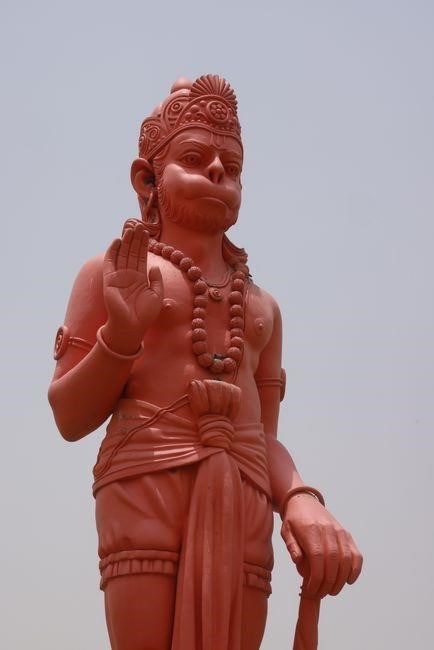
Digital archives now host the Ashtak in multiple formats, ensuring accessibility for scholars and devotees alike. These resources support both study and worship!.
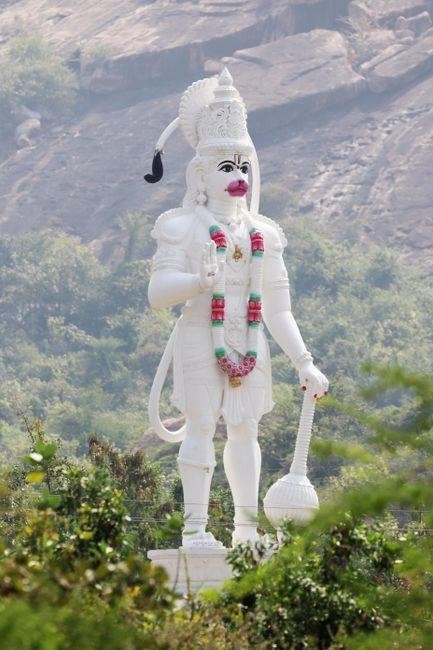
Structure and Verses
The Hanuman Ashtak comprises eight verses, each a compact hymn praising Hanuman’s valor, devotion, and problem‑solving prowess. The verses flow from praise to supplication, ending with a blessing for courage and protection. Its rhythmic meter aids memorization and devotion. Often shared as a free PDF.!
Eight Verses Overview
This Ashtak is recited in temples and homes, acting as a shield that brings calm. Its rhythmic cadence aids memorization, while imagery inspires believers to emulate Hanuman’s steadfastness. Bless.

Themes of Courage and Devotion
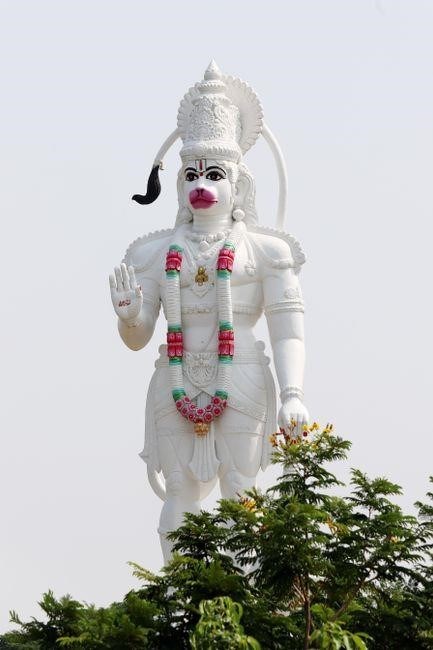
In the Hanuman Ashtak, courage is portrayed through the deity’s fearless journey across oceans, slaying demons, and rescuing Sita, illustrating unwavering resolve. Devotion is highlighted by his unwavering loyalty to Rama, his humility in service, and his willingness to bear any burden for the divine mission. The verses weave these qualities into a single tapestry, encouraging devotees to embody both bravery and self‑less love in daily practice. The hymn’s rhythmic structure reinforces the message, as each line repeats the mantra “Sankat Mochan” to invoke protection and steadfast faith. By reciting the Ashtak, practitioners internalize the dual virtues, cultivating a mindset that confronts adversity with calm determination while maintaining a heart devoted to divine purpose. The text also emphasizes that true courage arises from devotion, suggesting that faith provides the strength to overcome obstacles. Thus, the Ashtak serves as a spiritual guide, reminding believers that the path to liberation is paved with fearless devotion and unwavering commitment to righteousness. The hymn’s simple yet profound language allows for easy memorization, making it accessible to all ages and encouraging continuous practice. This combination of courage and devotion is central to the Ashtak’s enduring appeal and its role in daily worship.
Devotion fuels courage, and courage strengthens devotion, creating a virtuous cycle that empowers devotees to face trials with unwavering faith resilience daily now!

Digital Resources: PDF and Audio
Free PDF downloads of the Hanuman Ashtak are available on multiple sites, offering clean, printable versions. Audio MP3s with clear pronunciation guide listeners through each verse, making daily recitation accessible for all ages. Download and listen anytime, enhancing devotion. Ideal for daily practice.
Free Printable PDF Sources
Numerous online repositories offer the Hanuman Ashtak in a clean, printable PDF format, allowing devotees to keep a physical copy for daily recitation or to share with family. Popular sites such as Sumancasm, indif.com, and various devotional blogs host high‑resolution PDFs that preserve the original Sanskrit verses and their Hindi transliteration. Users can download the file directly from the site’s “Download PDF” button, or by clicking a link that opens the document in a new browser tab. The PDFs are typically formatted with a simple, readable layout, featuring the eight verses in a single column, each verse numbered for easy reference. Some versions include a brief explanatory note at the bottom of the page, providing context about Hanuman’s attributes of courage, devotion, and problem‑solving power. For those who prefer a more personalized experience, a few sites allow the user to choose between a standard PDF and a PDF with a larger font size, ensuring accessibility for all ages. Additionally, many of these resources are free of charge, requiring only a basic web browser to access. The convenience of having the text in PDF format means it can be printed on any standard printer, saved to a USB drive, or stored on a cloud service for quick retrieval. Whether you are a seasoned practitioner or new to the hymn, these free printable PDFs make the Hanuman Ashtak readily available for daily devotion, study, or as a thoughtful gift to fellow devotees. These PDFs also often come with a small watermark indicating the source, ensuring that the original authorship is respected while providing unrestricted use for personal devotion. Moreover, the downloadable files are compatible with both Windows and Mac operating systems, and can be opened with free PDF readers such as Adobe Acrobat Reader or Foxit Reader, making the process seamless for users across platforms. These resources also provide a way to share the hymn with friends and family, fostering a sense of community and devotion.
MP3 Audio and Pronunciation Guides
Many devotional platforms host high‑quality MP3 recordings of the Hanuman Ashtak, allowing listeners to follow along with the verses in their original Sanskrit or Hindi transliteration. These audio files often feature a calm, resonant voice that emphasizes the rhythmic cadence of each of the eight stanzas, making it easier for devotees to internalize the meaning and maintain proper intonation. The accompanying pronunciation guides, usually in PDF or web format, break down each verse into syllables, provide phonetic transcriptions, and offer tips on stress patterns. Users can play the MP3 while reading the printed PDF, ensuring that the melodic flow matches the written text. Some sites also provide a downloadable “audio‑with‑text” version, where the verse is highlighted in real time as it is spoken, which is especially helpful for beginners learning Sanskrit pronunciation. The MP3 files are typically free and can be streamed directly from the site or downloaded for offline use on smartphones, tablets, or computers. By integrating audio and visual aids, these resources support a multi‑sensory approach to devotion, helping practitioners deepen their connection to the hymn and improve their recitation accuracy. Whether you are practicing at home, in a temple, or on the go, the MP3 audio and pronunciation guides make the Hanuman Ashtak accessible to all, preserving the oral tradition that has been passed down through generations. These resources are available across multiple platforms, ensuring that devotees can access them s time;
Devotional Practices and FAQs
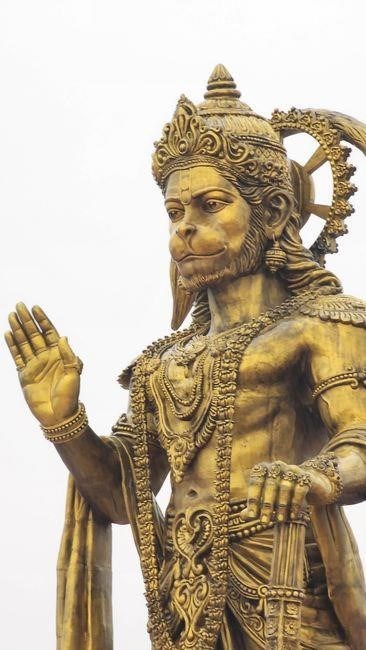
Devotees recite the PDF daily, chanting each verse aloud, often at sunrise. The text is displayed on a screen or printed, and audio guides aid pronunciation. FAQs cover PDF download steps, usage rights, and how chanting purifies mind and attracts divine protection.
Daily Recitation Rituals
Daily recitation of the Hanuman Ashtak PDF is a cherished ritual for devotees. The practice usually begins at sunrise, when the first light touches the altar or a quiet corner. The PDF is opened on a tablet or printed, and each of the eight verses is chanted aloud with a steady rhythm. Between verses, a moment of silence is taken to breathe deeply and internalize the message of courage, devotion, and problem‑solving power. Many add a small offering—a fruit, a pinch of saffron, or a light incense stick to express gratitude. After finishing, devotees often read a brief explanation of each verse, reinforcing its meaning. Finally, they close the PDF with a personal affirmation, such as “May I carry Hanuman’s strength in my heart.” This routine nurtures focus, mindfulness, and a sense of inner peace that carries through the day.. Devotees often repeat each verse three times, believing that repetition amplifies the divine energy. The verses are usually recited in a low, resonant voice, allowing the sound to linger in the space and create a subtle vibration that is said to calm the mind. Many also write the verses on a small card and keep it beside their bed, so the mantra remains present throughout the night. In addition, some practitioners combine the Ashtak with a meditation on the image of Hanuman, visualizing his unwavering devotion and strength. This integrated practice is reported to reduce stress, enhance concentration, and foster a deeper sense of gratitude toward the divine. It strengthens faith!
Benefits of Recitation
Reciting the Hanuman Ashtak PDF offers a spectrum of spiritual, mental, and physical benefits that resonate with devotees worldwide. The rhythmic chant of each verse creates a meditative pulse, helping to quiet the mind and reduce anxiety. By repeating the verses, practitioners strengthen focus, allowing them to navigate daily challenges with calm confidence. The hymn’s themes of courage, devotion, and problem‑solving inspire a resilient mindset, encouraging individuals to confront obstacles with faith. Many report improved concentration after regular recitation, as the mantra’s vibration aligns the body’s subtle energies. Additionally, the act of reading or listening to the PDF fosters a deeper connection to the divine, reinforcing gratitude and humility. Physically, the slow, deliberate breathing that accompanies the chant can lower heart rate and blood pressure, promoting overall well‑being. The devotional practice also cultivates a sense of community, as shared recitations in temples or online groups create bonds of mutual support. Finally, the Ashtak’s concise structure makes it accessible for beginners, ensuring that even those new to devotion can experience its transformative power. Embrace the daily ritual, and let the verses guide you toward a balanced, empowered life.
In addition, the Ashtak’s eight‑verse format allows practitioners to integrate devotion into short breaks or commute times. The PDF’s accessibility means anyone with a smartphone or computer can practice anywhere. Consistent recitation strengthens purpose, improves stress management, and uplifts mood, making the Hanuman Ashtak PDF a powerful tool for holistic well‑being. Let the divine energy of Hanuman flow through you, transforming doubts into faith and fear into courage, and embrace now with devotion.

Common FAQs about Hanuman Ashtak PDF
Where can I download a free Hanuman Ashtak PDF? Many websites offer a printable version; simply search “Hanuman Ashtak PDF download” and choose a reputable source. 2. Is the PDF authentic? The text is traditionally attributed to Saint Tulsidas, and most online copies match the original verses. 3. Can I listen to the hymn while reading the PDF? Yes – most sites provide MP3 files that sync with the verses. 4. Do I need any special software to view the PDF? A standard PDF reader (Adobe Reader, Foxit, or the browser’s built‑in viewer) will open the file. 5. How often should I recite the Ashtak? Daily recitation is recommended, but even a few times a week can bring peace. 6. Can I share the PDF with friends? The text is in the public domain, so sharing is allowed. 7. What benefits does the Ashtak provide? It calms the mind, boosts courage, and strengthens devotion. 8. Are there translations available? Yes, many PDFs include English transliteration or translation alongside the original Hindi. 9. Is the PDF suitable for children? The verses are simple and can be taught to young devotees. 10. How do I pronounce the verses correctly? Listening to the MP3 guide or using a pronunciation app helps. For detailed answers, consult the PDF’s footnotes or visit reputable devotional sites. If you encounter variations, compare multiple sources to ensure consistency. Remember to keep the PDF accessible for future reference and share it responsibly with fellow devotees. Feel the divine presence as you chant each line. Let devotion guide you Enjoy
 litany of the sacred heart of jesus pdf
 spanish worksheets for beginners pdf
 drum beats pdf
 earth day word search pdf
 novels pdf in tamil
 flylady cleaning schedule pdf
 hanuman ashtak pdf
 gl2400 allen and heath manual
 guido reni archangel michael
 mendota fireplace manual